
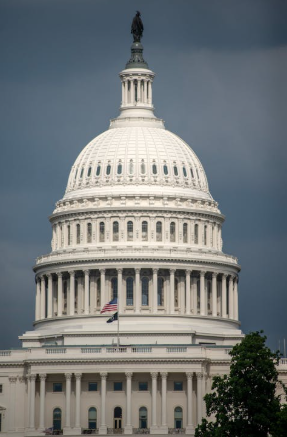
Washington, D.C., often referred to as “the nation’s capital,” is more than just a city filled with monuments, historic buildings, and museums. It is the nerve center of American political life—a place where policies are crafted, debated, and decided. Yet, for those working in or around politics, navigating this environment is far from straightforward. The city’s political culture is shaped by deep ideological divisions, intense lobbying efforts, complex bureaucratic systems, and an ever-present media spotlight. These factors combine to make political maneuvering in D.C. a task that requires not just skill, but also resilience, adaptability, and strategic thinking.
1. The Hyper-Partisan Landscape
One of the most significant challenges in Washington today is the increasingly partisan nature of politics. Over the past few decades, ideological lines between the major political parties have hardened, leaving little room for compromise. While partisanship has always been part of the American political process, the current climate is often described as one of “gridlock.”
Over time, political gridlock has even contributed to the persistence of outdated and sometimes strange and bizarre laws that no one has taken the time—or political risk—to repeal.
This polarization makes negotiation and collaboration difficult. Legislators are often pressured by party leadership, advocacy groups, and their constituents to hold firm to their positions, even when bipartisan cooperation might lead to effective solutions. For a policymaker or political staffer, breaking through this divide can feel like an uphill battle. The risk of being labeled a “traitor” to one’s party for crossing the aisle can deter even the most pragmatic lawmakers from pursuing common ground.
2. The Influence of Lobbying and Special Interests
Washington is home to thousands of lobbyists representing a vast range of industries, unions, non-profits, and advocacy organizations. These groups wield significant influence, often shaping legislation before it ever reaches a vote. Lobbyists provide policymakers with research, talking points, and campaign contributions, making them a constant presence in the political process.
While lobbying is a legal and constitutionally protected activity, the sheer scale of it in D.C. can create challenges for transparency and fairness. Policymakers must weigh the perspectives of these interest groups against the needs of the general public, all while avoiding the perception—or reality—of undue influence. For those trying to champion policies with limited financial backing, it can feel like shouting into the wind.
3. Navigating the Bureaucratic Maze
The U.S. federal government is a massive institution composed of numerous departments, agencies, and sub-agencies, each with its own rules, procedures, and internal politics. Understanding how to move an initiative through these layers of bureaucracy is a skill in itself. Just like homeowners must routinely address maintenance on a garage door to keep it operating smoothly, policymakers and advocates in Washington must carefully navigate regulatory requirements to prevent delays and costly setbacks.
Even well-intentioned policies can be delayed or derailed by the need for compliance reviews, inter-agency consultations, or budgetary approval. This is where guidance from experienced government lawyers Washington D.C. attorneys policy lawyers can help stakeholders navigate legal requirements and avoid costly missteps.
4. The Constant Media Spotlight
In Washington, the media’s presence is unavoidable. National news outlets, political commentators, and online platforms monitor every move made by politicians, agencies, and even mid-level staff. A single misstatement can dominate headlines for days, and a poorly handled policy rollout can sink months of preparation.
For those working in politics, this constant scrutiny means that every decision must be weighed not only for its policy implications but also for its media impact. Messaging is as important as substance, and political figures must be adept at communicating complex ideas in simple, compelling ways—often within seconds, in front of cameras.
The 24-hour news cycle also intensifies public reactions. Social media amplifies both praise and criticism instantly, making it difficult to control narratives once they take hold. This environment can make risk-taking a dangerous proposition, leading to cautious, incremental decision-making rather than bold action.
5. The Short-Term Focus of Electoral Politics
Elected officials in Washington operate on tight timelines dictated by election cycles. Representatives face reelection every two years, senators every six, and presidents every four. This reality often drives short-term thinking, as politicians prioritize actions that will appeal to voters in the next election rather than long-term strategies that may not yield immediate benefits.
This short-term focus can make it harder to address complex issues like climate change, infrastructure investment, or healthcare reform—problems that require sustained effort over decades. In much the same way that long-term financial stability often requires structured solutions such as debt management plans or strategic decisions like property investment, effective policymaking depends on consistent planning rather than short-term fixes. In much the same way that long-term financial stability often requires structured solutions such as debt management plans, effective policymaking depends on consistent planning rather than short-term fixes.
6. The Role of Political Appointments and Turnover
Another difficulty in navigating D.C. politics is the constant turnover in political appointments. When administrations change, hundreds of appointed positions—from cabinet secretaries to agency heads—are replaced. This can lead to sudden shifts in policy priorities, leaving ongoing initiatives in limbo.
For career civil servants or policy advocates, such changes require quick adaptation to new leadership styles and agendas. Even within a single administration, staff reshuffles are common, meaning relationships that took months to build can be lost overnight.
7. Balancing Constituency and National Interests
Every elected official in Washington represents a specific constituency—whether it’s a congressional district, a state, or, in the case of the president, the entire country. Balancing the local needs of that constituency with broader national interests is a constant challenge.
A senator from a rural state might have very different policy priorities than one from a densely populated urban area. When legislation is on the table, these competing interests can lead to stalemates, as lawmakers work to protect the specific economic, cultural, or environmental concerns of their voters.
8. The Human Side of Political Life
Beyond policy debates and procedural hurdles, politics in D.C. takes a personal toll. The work is demanding, hours are long, and the pressure is intense. For many in political life, the boundaries between personal and professional life blur, leading to burnout and high turnover among staffers.
The competitive nature of political careers can also foster a culture of ambition where alliances shift based on opportunity. Networking is essential, but relationships in D.C. are often transactional, making trust difficult to build and maintain.
9. Strategies for Navigating the Challenges
Despite these difficulties, many individuals and organizations find ways to succeed in Washington by applying effective strategies that can help salespeople close more deals, particularly when it comes to persuasion, relationship-building, and strategic communication.
Effective navigation often comes down to a few key strategies. Just as effectively managing your tax issues requires planning and adaptability, succeeding in D.C. demands building bipartisan relationships, mastering the rules, and maintaining transparency.
- Building Bipartisan Relationships: Even in a polarized environment, finding shared goals across party lines can lead to productive partnerships.
- Mastering the Rules: A deep understanding of legislative and administrative processes is invaluable for advancing policy goals.
- Maintaining Transparency: Clear communication and ethical conduct help build trust with both colleagues and the public.
- Adapting to Change: Flexibility is essential in an environment where leadership and priorities can shift overnight.
- Leveraging Media Wisely: Strategic use of media can shape public opinion and create momentum for policy initiatives.
Navigating politics in Washington, D.C., is not for the faint of heart. The interplay of partisanship, lobbying, bureaucracy, media scrutiny, and electoral pressures creates a complex and often frustrating environment. Yet, it is also a place where dedicated individuals can make meaningful change—if they have the patience, skill, and persistence to see their efforts through.
Understanding the challenges is the first step toward overcoming them. While the political arena in the nation’s capital will likely always be demanding, those who learn to navigate its currents can play a crucial role in shaping the future of the country.
The written content on this page was generated by perplexity.ai